
Where the Lachine Canal bends toward downtown, a tall clock tower rises above baskets of fruit, bouquets of flowers, and the steady hum of morning chatter. Nearly a century in, Atwater Market still feels like the heart of the Sud-Ouest — part landmark, part daily ritual.
The market opened in 1933, designed in the Art Deco style by architect Ludger Lemieux and his son Paul. Built during the Great Depression, it was meant to give Montrealers a modern, welcoming place to buy food and connect with one another. It takes its name from nearby Atwater Avenue, itself named for 19th-century alderman Edwin Atwater, and quickly became a gathering point for both farmers and city dwellers. Vendors would arrive from the South Shore and nearby parishes with vegetables, eggs, and cheeses, while locals came for their weekly shop — and to catch up on news. Even then, the market was as much about people as it was about produce.
By the 1960s, changing times threatened its future, but the community fought to keep it alive. After a major renovation in 1982, Atwater Market reopened with its original charm intact — the clock tower, the brick walls, and the rows of wooden stalls — but now adapted for year-round use. The new layout created the lively indoor-outdoor flow visitors know today, where you can move from a butcher’s counter to a flower stall to a cheese shop in just a few steps.

Many of the vendors here have been part of the market for decades. Boucherie de Tours, Fromagerie Atwater, Les Douceurs du Marché, and Première Moisson are among its best-known names, each one carrying a piece of the market’s history forward. In summer, tables overflow with Quebec strawberries, tomatoes, and herbs; in winter, you’ll find wreaths, baked goods, and the comfort of familiar faces. Outside, the flower stalls change with the seasons — tulips in April, dahlias in September — giving the market its own natural rhythm.
These days, Atwater blends the old and the new. Alongside long-standing vendors, you’ll find cafés and small eateries like Satay Brothers, whose Singaporean street food brings a splash of spice to the mix. Cyclists and joggers on the canal path stop here for coffee, groceries, or just to take in the scene. It’s a rare space that feels both lively and grounded — a place where chefs, neighbours, and visitors cross paths every day.

As the Lachine Canal has come back to life with boats and bike paths, Atwater Market has stayed at the centre of it all, connecting Saint-Henri, Little Burgundy, and Griffintown in one shared rhythm. Its clock tower still stands tall, marking time not just for the neighbourhood, but for the generations who’ve made it part of their routine. Almost 100 years later, Atwater Market remains what it’s always been: a place to shop, to meet, and to feel like you’re part of Montreal.
Acier et Lumière : Un Penthouse au-dessus du Canal à la Petite-Bourgogne
Texte de Clay Sandhu | Photographies de Nathan Van Egmond
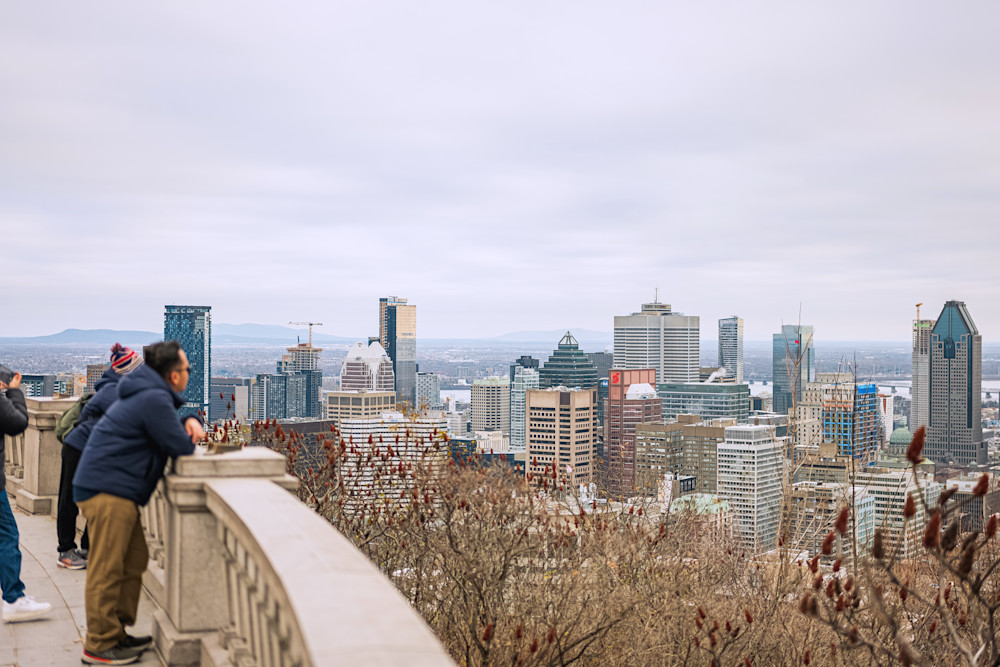
Hometown Guide: Downtown Montreal
Created by neighbourhood experts, the Hometown Guide is an insider’s perspective on the places we call home.

The Wilson Lofts
Words by Clay Sandhu | Photography by Nathan Van Egmond